
Singapore Night Driving: Tips for Rental Beginners
Road Tax Coverage For Malaysia Entry Requirements
January 19, 2026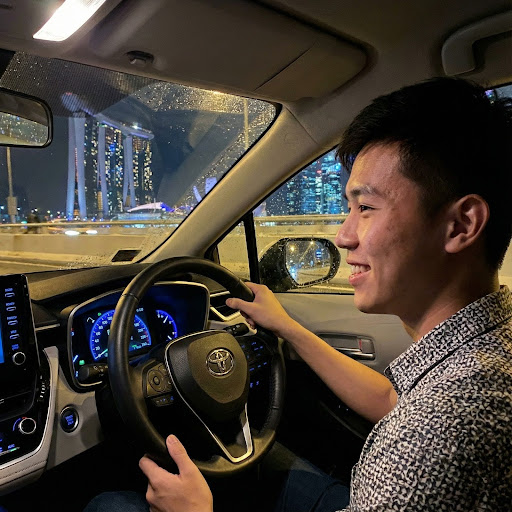 Driving at night presents unique challenges for rental car beginners, particularly in an unfamiliar city. This guide covers essential night driving techniques including headlight management, hazard awareness, speed adjustments, and legal requirements to help you navigate safely and confidently after dark.
Understanding Night Driving Challenges
Reduced Visibility and Depth Perception
Darkness significantly affects how you perceive distances and judge the speed of approaching traffic. Your eyes need time to adjust to night conditions, making it harder to spot hazards quickly.
Well-lit urban areas reduce some risks, but sudden changes between bright and dark zones challenge your eyes’ adaptation. Begin your journey in brightly illuminated districts to build familiarity with your rental before venturing into less-lit areas.
Glare from Oncoming Headlights
Bright headlights from passing vehicles can cause temporary vision impairment, particularly on multi-lane roads. Rather than looking directly at approaching lights, shift your gaze to the road edge or lane markings.
Many vehicles include anti-glare rear-view mirrors with a night mode toggle. Activate this feature immediately when experiencing glare to maintain clear vision of traffic behind you.
Essential Pre-Drive Preparations for Rental Cars
Checking Lights and Visibility Aids
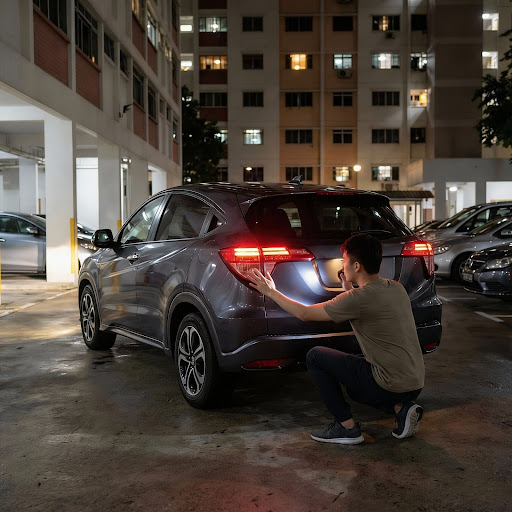 Verify that both low and high beams function properly before driving. Some vehicles have daytime running lights that drivers mistake for full illumination, which provide insufficient visibility at night.
Clean all windows and mirrors thoroughly, as smudges significantly worsen reflections and glare in humid conditions. Test windscreen wipers to ensure they work effectively, as sudden rain showers are common.
Vehicle Familiarisation for Beginners
Spend time in the car park practising light switches and dashboard controls specific to your rental model. Different vehicles have varying headlight patterns and control layouts.
Adjust your seat and mirrors for optimal night visibility, ensuring no blind spots exist. Review the rental agreement for any specific terms, though most companies allow unrestricted driving on public roads at all times.
Key Road Hazards to Watch for at Night
Spotting Drivers Without Headlights
Some drivers fail to activate their headlights despite darkness, making them difficult to spot. Watch for reflective road signs or vehicle taillight reflectors to identify these vehicles early.
Motorcyclists without lights add particular unpredictability. Maintain extra following distances and conduct frequent mirror checks to avoid sudden encounters.
Jaywalkers and Pedestrian Crossings
Pedestrians wearing dark clothing may emerge suddenly, particularly near residential areas or food centres. Reduce speed in zones with high pedestrian activity.
Approach pedestrian crossings cautiously, as people may step out without adequate visibility checks. Night-time pedestrian behaviour can be less predictable than during daylight hours.
Mastering Headlight Usage and Glare Management
High Beam Etiquette on Roads
Use high beams on open stretches to improve forward visibility, but dip them promptly when approaching oncoming traffic or when following other vehicles. Many rental vehicles feature automatic high beam systems that handle this adjustment.
If other drivers flash their lights at you, acknowledge immediately by switching to low beams. This courtesy fosters mutual respect in heavy traffic and prevents blinding other road users.
Handling Glare from Modern LEDs
LED headlights, increasingly common on newer vehicles, produce more intense glare than traditional halogen lights. Vehicles may include auto-dimming mirrors to reduce this effect.
Focus on lane markings or roadside features when experiencing glare rather than looking directly into bright lights. This technique helps maintain awareness whilst protecting your night vision.
Adapting Speed and Following Distances
Slower Speeds in Urban Zones
Reduce your speed at night to match visibility limitations, even on well-lit roads. This adjustment provides additional reaction time for unexpected hazards.
Approach intersections cautiously, as signal changes may not be as obvious to drivers unfamiliar with the area. GPS audio navigation helps reduce visual distractions in busy zones.
Increased Following Distances
Maintain greater following distances at night than during daylight, particularly when driving an unfamiliar rental car. This spacing accounts for reduced visibility and potential differences in braking responsiveness.
Count seconds from when the vehicle ahead passes a landmark to ensure adequate gaps. Extend this distance further during wet conditions.
Safe Driving Techniques for Expressways
Expressway Lane Discipline
Keep to left lanes unless overtaking, then return promptly after completing the manoeuvre. Signal early and check blind spots thoroughly before changing lanes.
Avoid lingering between lanes, as motorcyclists may use gaps between vehicles. After midnight, traffic typically becomes lighter, making lane discipline simpler to maintain.
Merging and Exiting at Night
Watch for signs indicating upcoming exits, which may be less obvious in darkness. Acceleration lanes require quick checks before merging into faster-moving traffic.
Reduce speed when approaching exits and use indicators well in advance to alert other drivers of your intentions.
Weather and Fatigue Considerations
Driving in Rain and Fog
Heavy rain severely reduces visibility. Activate wipers immediately when rain begins and reduce your speed accordingly. Increase following distances to at least five seconds during wet conditions.
If fog develops, use fog lights rather than high beams. High beams reflect off moisture particles, actually reducing visibility. If conditions deteriorate significantly, find a safe place to stop until visibility improves.
Managing Driver Fatigue
Bright city lights can delay natural eye adaptation and mask fatigue symptoms. Blink frequently and use vehicle ventilation to maintain alertness.
Take regular breaks during extended night driving. Stay hydrated and avoid heavy meals that can cause drowsiness. If you feel tired, stop in a safe location rather than attempting to push through.
Legal Rules and Rental Specifics
Night Driving Regulations
Headlights must be activated between 7pm and 7am. Failure to comply can result in fines. Speed cameras operate continuously, so maintain legal speed limits at all times.
Electronic Road Pricing gantries charge during peak periods, including evening hours. Budget accordingly for these tolls when planning your route.
Rental Insurance and Breakdowns
Most rental packages include insurance covering night-time accidents, though policy specifics vary between providers. Review your coverage details at collection.
Familiarise yourself with emergency contact numbers provided by your rental company. Keep roadside assistance information readily accessible in case of breakdowns or incidents.
Planning Your Night Drives
Route Selection for Beginners
Prioritise well-lit arterial roads over less-trafficked routes when starting out. Main roads typically offer better lighting and clearer signage.
If possible, conduct daytime reconnaissance of routes you plan to drive at night. This familiarisation builds confidence and helps you anticipate turns and exits.
Building Confidence Gradually
Start with short night drives in familiar areas before attempting longer journeys. This gradual approach helps you adjust to night driving challenges without overwhelming stress.
Consider having an experienced navigator accompany you initially. Their presence can provide reassurance whilst you develop night driving skills.
Conclusion
Night driving rewards beginners who master essential techniques including proper headlight usage, hazard spotting, and maintaining safe speeds and distances. Watch carefully for vehicles without lights, respect appropriate following gaps, and practise courteous beam usage.
With preparation and gradual experience building, you’ll develop the confidence needed to navigate safely at night. Focus on defensive driving, stay alert to your surroundings, and don’t hesitate to pull over if conditions become challenging.
Ready to start your night driving journey? Contact our company for reliable vehicles and expert advice.