
Car Rental vs Grab/Taxi: Best for Business Trips Now
Car Rental for Events: MPVs Perfect for Wedding & Party
May 16, 2025Cross-Border SUV Rental Tips: Safe Malaysia Road Trips
July 22, 2025
Business travel in Singapore offers three core transport options: Grab, taxi, or a rented car. The right answer depends on how many meetings you run per day, whether you’re hosting clients, and what your firm budgets for staff transport. Above a certain trip volume, corporate car rental Singapore beats per-trip ride-hailing on both cost and reliability. Below that volume, on-demand wins. Here’s where each option breaks even.
When Car Rental Makes Sense for Business Trips
You control the day. Park outside the client’s office between meetings instead of waiting for a driver. Skip surge pricing during the 7:30–9:30 AM and 5:30–7:30 PM windows. Carry pitch materials, samples, or equipment without coordinating boot space with a stranger.
The math turns in favour of rental at roughly four point-to-point trips per day. A Toyota Vios daily rate sits around S$70 to S$90 in Singapore, including basic insurance and limited mileage. Four short Grab rides across the CBD and back, by comparison, easily clear S$80 even without surge pricing. Add ERP at S$1 to S$6 per gantry pass during peak hours and the picture sharpens further when you’re crossing multiple priced zones in one day.
Rental also works for site visits outside the CBD. Driving to Tuas, Jurong Innovation District, Changi Business Park, or Sembawang takes less time than waiting for a Grab. Wait times outside the central zones can hit 15 minutes during peak even when the app shows nearby cars.
When Grab and Taxis Make Sense for Business Trips
Short trips win on Grab. One client meeting in Raffles Place from Marina Bay Sands takes ten minutes and costs around S$10. No parking. No fuel. No worrying about getting back to the hotel after dinner at Boat Quay.
Single-day trips also favour ride-hailing. Renting a car for less than 24 hours triggers minimum day rates, plus you eat the time to collect and return the vehicle. If your itinerary is one or two meetings and a dinner, the per-trip cost rarely beats Grab.
Surge pricing is the real risk. Friday evenings from 6 PM, public holidays, and any time it rains, fares can double or triple. JustGrab Premium and GrabExec sit roughly 30 to 50 percent above standard fare even without surge, and that’s the tier you’d want for client transport. Bills add up faster than expected when you tally a week of these.
Comfort and Productivity
Driving yourself across Singapore demands attention. ERP transitions, sudden lane closures on the CTE during peak, and aggressive merging into the Marina Coastal Expressway all eat focus that could go to mental prep for your next meeting. After two or three appointments, fatigue compounds. Decision quality drops.
A chauffeur service for business travel solves this differently. You sit in the back, review slides, take a call, or write the proposal you’ll be presenting in twenty minutes. The driver handles the parking, the ERP, the route. For senior staff billed at S$200 to S$500 per hour, this is rarely a luxury. It’s recovered productivity.
The chauffeur model also works when clients are in the car. Hosting a visiting Tokyo-based partner in the back seat of a clean Toyota Alphard with a professional driver projects a different tone than asking them to share an UberX with you driving. The vehicle and the silent professionalism of the driver can matter more than slide decks for the first thirty minutes of a new client relationship.
Trip Duration and Group Size Change the Math
Three days or more with multiple appointments daily? Rental wins almost always. Day rate falls under S$70 per day with weekly bookings, and you’ve already absorbed the collection time.
One day with two meetings? Grab almost always wins, even with surge.
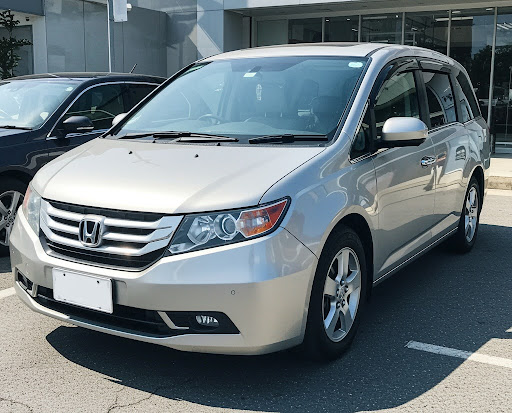
Four or more people travelling together? A 7-seater MPV at S$120 to S$160 per day beats four separate Grab rides at any volume above two trips per person per day. Group rental also keeps the team in conversation between stops, which is where most productive cross-checking happens on actual deal days.
Three Real Scenarios Where the Choice Is Clear
Scenario one: client visit from Changi Airport at 11 PM after a regional flight.
Take Grab. Surge will hit, but renting a car at midnight after a six-hour flight is not the move. You’ll pay S$30 to S$50 for the ride, and you’ll sleep instead of dealing with airport rental counters and unfamiliar wheels.
Scenario two: three-day project sprint visiting four contractor sites across Tuas and Jurong daily.
Rent a car. Five-day weekly rates often run S$300 to S$400 for a sedan. The Grab equivalent across that itinerary would clear S$500 minimum, more if it rains.
Scenario three: hosting a buyer delegation across two days of investor meetings.
Chauffeur the buyer. Self-drive yourself only if the delegation runs separately. Asking a managing director from Frankfurt to crouch into the back of an UberX after a fourteen-hour flight loses the deal before it starts.
Conclusion
For most Singapore-based teams running normal corporate travel, the right answer changes by scenario. Use Grab for short, ad-hoc trips. Rent a car for multi-day itineraries and site visits outside the CBD. Use a chauffeur when the cost of fatigue or client perception outweighs the driver fee.
If your team is making the rental decision more than once a week, long term car leasing is worth costing out. A monthly lease for a Toyota Vios or similar runs lower per day than even weekly rental rates, and predictable monthly costs are easier to budget than variable daily bookings. The break-even point lands around fifteen to twenty rental days per month for most fleets.


